One Roster, Many Crafts: Why a Boutique Agency Books Better Work
A curated, multi-disciplinary roster, models, actors, musicians, athletes, and creators, with one accountable contact. Why fewer-but-better and cross-craft range win more interesting work for brands.

Most talent rosters are built like phone books. The bigger the list, the better the pitch: thousands of faces, every category, something for everyone. It looks like choice. In practice it usually means you do the sorting, the chasing, and the quality control yourself.
We built OJI Entertainment the other way. A deliberately small roster, chosen one person at a time, across disciplines: models, actors, musicians, athletes, and creators who host, dance, and make things. One contact handles discovery, negotiation, and scheduling. The promise is not "we have everyone." It is "we have the right few, and we know them well enough to stand behind them."
This post is about why that model tends to win more interesting work, and what it actually means for a brand or a producer on the other side of the table.
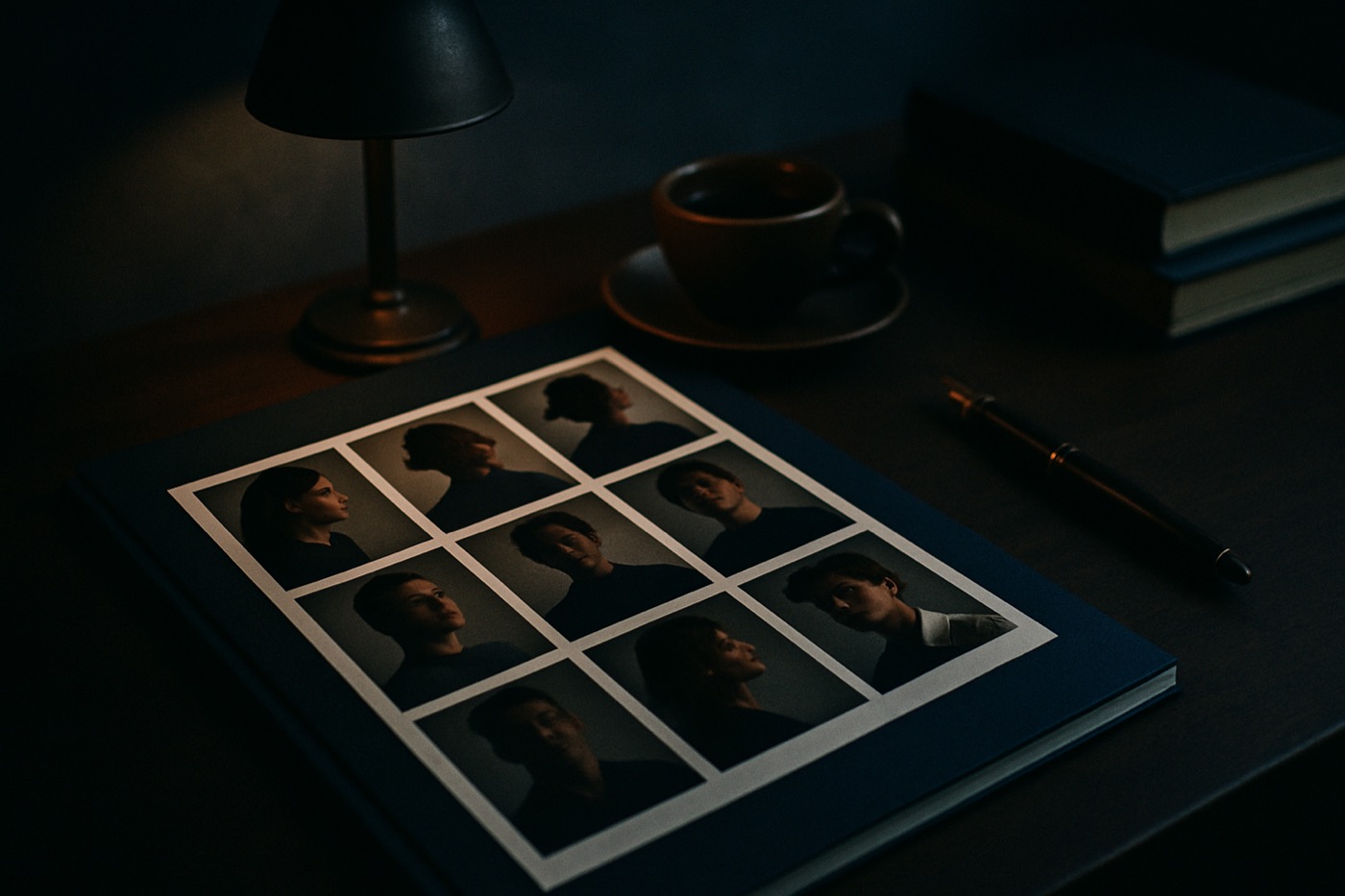
Curation is a service, not a constraint
When a roster is enormous, the agency can't really vouch for any single person on it. It can only show you the list. The work of figuring out who is reliable, who photographs the way their card suggests, who is actually free on your dates, and who will be calm on a long shoot day, all of that lands on you.
A curated roster moves that work to the people who should be doing it. We have met everyone we represent. We know how they are in a fitting, on a stage, in front of a difficult brief, and at hour ten of a shoot. So when you describe what you're making, we're not searching a database. We're thinking about specific people and how each one would handle your particular job.
That is the quiet value of "fewer, better." You are not buying access to a crowd. You are buying judgment about a small, known group.
The point of a boutique roster isn't a shorter list. It's that someone has already done the vetting you would otherwise have to do yourself.
One window, the whole project
Cross-border work has a lot of moving parts. Casting, contracts, usage terms, scheduling, sometimes visas and travel for talent coming in or out of Japan, sometimes an interpreter on set. When those parts are spread across separate specialists who don't talk to each other, the gaps between them become your problem.
A multi-disciplinary agency with one accountable contact closes those gaps by design. The person who helped you pick the talent is the person who negotiates the terms and the person who makes sure the right people are in the right place on the day. Nothing falls through the seam between "the model agency" and "the music booker" and "the production coordinator," because there is no seam. There is one window, and it stays open from the first conversation to wrap.
For a producer working across a language barrier, that single point of contact is worth more than any line on a rate card. It is the difference between managing a project and assembling one from strangers.
It also changes the tone of the whole engagement. When one person owns the project, they have an incentive to get it right, not just to close a booking and move on. A problem on the day is their problem too. A schedule that slips is theirs to fix. That accountability is hard to feel when a brief has passed through three intermediaries, and easy to feel when there is one name on every email. It is a small thing that quietly removes a lot of risk.
Range lives inside people, not just inside the list
Here is the part that a big directory can't replicate by sheer size. The most useful range isn't "we have a model and, separately, we have a musician." It's the individual who carries more than one craft inside them.
A musician who can act gives a commercial a face that already knows how to hold a moment. A model who can host turns a product launch from a photo call into an event with a voice at the front of the room. An athlete with genuine presence on camera bridges a sponsorship and a brand film without feeling like two different bookings stitched together. A dancer who moves like a performer, not just a body, changes what a thirty-second spot can feel like.
These are not gimmicks. They are people whose training overlapped, and that overlap is exactly what makes a piece of work feel less like a template and more like a moment. When you brief us, we're not only matching a look to a slot. We're asking whether someone on the roster can do two of the things you need at once, and whether that combination would make the whole thing better.
Why this fits cross-border work especially well
Bringing Japan's talent to the world, and the world's talent to Japan, is not a volume business. It rewards specificity. A brand coming into Japan rarely needs a thousand options. It needs a handful of people who fit the look, read the room, and can be relied on when the brief is in a second language and the schedule is tight.
A boutique, multi-disciplinary roster is built for exactly that. The list is short enough that we can speak honestly about every name on it. It is broad enough across crafts that a single brief can be answered without sending you to three other agencies. And because we work across languages and across the Japan-world border every day, the coordination that usually frightens foreign producers is simply the normal shape of our work.
None of this requires a huge headcount. It requires knowing your people, knowing the work, and being the one contact who connects the two.
There is a cultural fit here too. Japanese productions tend to value reliability, preparation, and reading a situation correctly over loud self-promotion. A roster chosen for those qualities, rather than for sheer size, is simply a better match for how the best work gets made here. When we put someone forward, part of what we're vouching for is that they understand the room they're walking into, whether that room is a Tokyo studio or a brand team joining by video from another time zone.
What this means for you, concretely
If you're a brand or a producer, here is what a curated multi-disciplinary roster changes about your day:
- One brief, one reply. You describe the job once. You don't repeat yourself across a model agency, a casting house, and a separate booker.
- A real recommendation, not a search result. We suggest specific people and tell you why, including who we'd pick first and who we'd hold as a second option.
- Less seam, fewer surprises. The same contact owns casting, terms, and scheduling, so the handoffs that usually cause problems don't exist.
- Range when you want it. If the job is better with someone who can do two things, we'll know who that is, because depth across crafts is the whole point of the roster.
- Curation over volume. You're not filtering a directory. You're choosing from a small set that has already been filtered for quality and reliability.
A larger list can look more impressive in a deck. A curated one tends to make better work, because every choice on it has already been considered by someone whose job is to consider it carefully.
The shape of "fewer, better"
Boutique doesn't mean limited. It means intentional. The roster is small because every addition has to earn its place, and broad because the crafts genuinely connect: the model who hosts, the musician who acts, the athlete who carries a film. The result is a list you can actually see across, backed by one person who knows it well enough to point you, on any given brief, to the right few.
That is what we mean by one roster, many crafts. Not a bigger catalogue. A better answer.